


The SPAC Market Today vs 2021


The SPAC market of 2026 looks very different than the SPAC boom of 2021.
In this clip, Delon Turner explains how the market has evolved since the SPAC surge several years ago.
During the peak cycle, there were more SPACs chasing deals than there were viable companies to take public. That imbalance created what many now call the SPAC bubble.
Since then, several things have changed:
• Stronger regulation
• More disciplined sponsor teams
• Greater scrutiny from investors
• Better alignment between sponsors and targets
Today, experienced capital markets professionals are returning to the SPAC market with a more disciplined approach.
The result is a healthier ecosystem for identifying strong companies and creating long-term shareholder value.
Disclaimers:
The views, opinions, and statements expressed by the guest are solely their own and do not necessarily reflect the views of The SPAC Podcast, its hosts, or affiliated organizations. This content is for informational purposes only and should not be construed as investment, legal, tax, or accounting advice.
Michael J. Blankenship is a licensed attorney and is a partner at Winston & Strawn LLP. Joshua Wilson is a licensed Florida real estate broker and holds FINRA Series 79 and Series 63 licensure. The content of this podcast is intended for informational and educational purposes only and should not be interpreted as legal, financial, or compliance advice. The views and opinions expressed by the hosts and guests are their own and do not necessarily reflect the official policies or positions of any regulatory agency, law firm, employer, or organization.
Listeners are encouraged to consult their own legal counsel, compliance professionals, or financial advisors to ensure adherence to applicable laws and regulations, including those enforced by the SEC, FINRA, and other regulatory bodies. This podcast does not constitute a solicitation, offer, or recommendation of any financial products, securities transactions, or legal services.
Let’s Connect on LinkedIn:
👉 Michael J. Blankenship - https://www.linkedin.com/in/mikeblankenship/
👉 ...
Michael Blankenship: looking at today, SPAC market and you're getting into, ver 2026 versus, 20 21, 20 22 what do you see as the big differences?
Delon Turner: I think there's a lot of differences within this SPAC market Now, back in 20 21, 20 22, our original team, we entered the market and there was a market equilibrium that was in balance.
And you had more SPACs on the market than there were actual companies that were viable to take public with a d spac. Back in 2022, you seen the SPAC market change with the sponsorship groups, and I think that's where the origins of it was. It was to have a what I call a diverse team with athletes, entertainers, and people that were not necessarily from the finance world to come in and make the teams more what I call.
Likable and to allow these companies to actually like the team and d SPAC with them. But from a traditional standpoint, that's not what the SPAC vehicle was created for. It was really created for an opportunity for smaller cap companies to take advantage of the capital markets opportunity. So what do you see now?
It was a SPAC bubble and is an extreme con contraction within the SPACs that were entering the market. Not only just from a regulation standpoint, but just with the sponsor team not getting the, what I would like to look at as favorable terms the monies and trusts were increased the timeframes where you had to find a company decrease.
So that kind of what I call it balanced it out. And traditional SPAC teams reentered to market back in 20 25, 20 24, and you see that now. Regulation has what I call clean some of the actors out, which gives us the opportunity to really take our time to do the right homework to look at these companies that we think have true value and where they can deliver value to the shareholders.
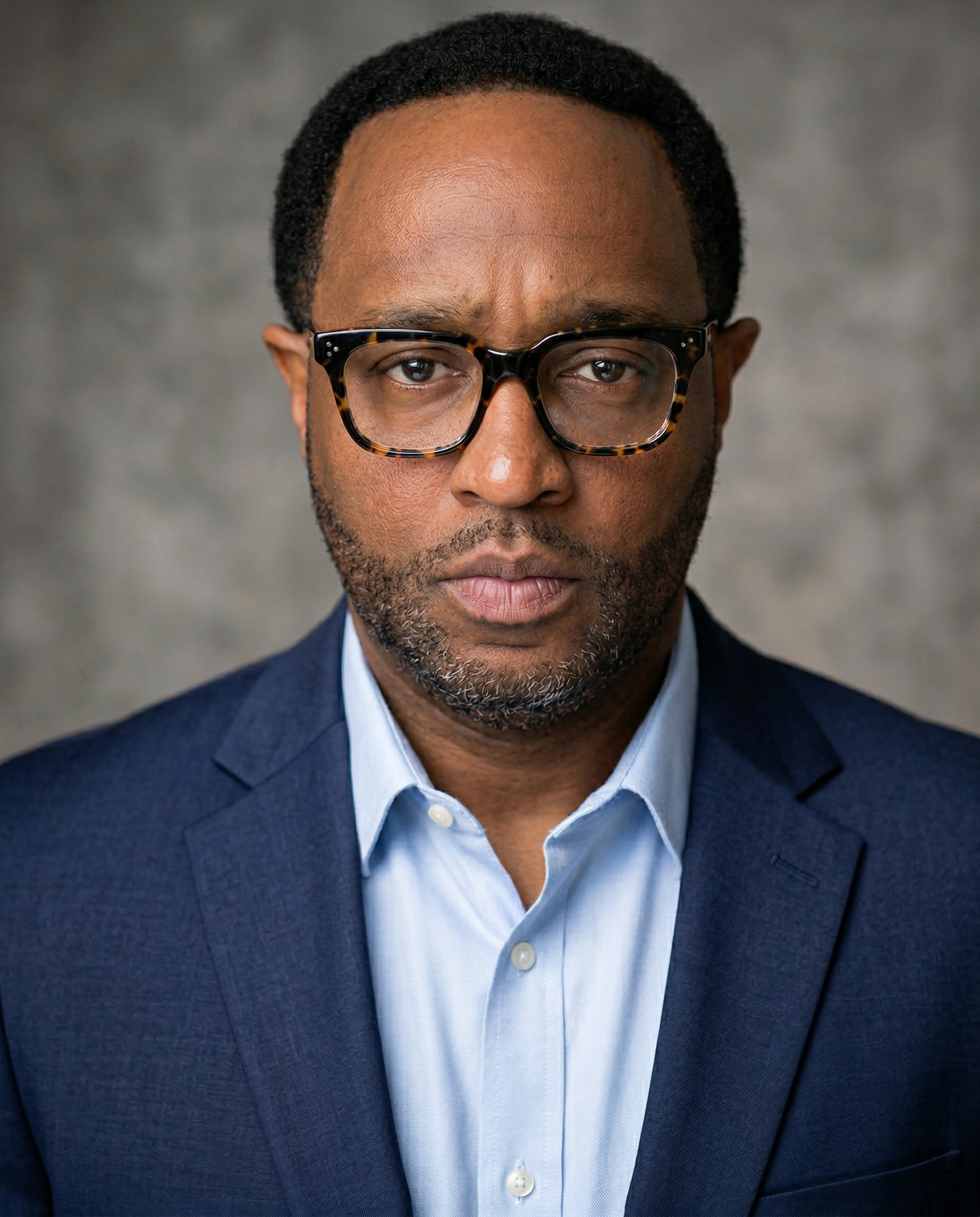
Delon Turner is the Founder of 7even Hills Venture Capital, where the firm’s investment thesis
is primarily concentrated on disruptive financial technology (FinTech) platforms, digital banking
infrastructure, and payment technologies. Mr. Turner drives the fund’s capital allocation,
shapes portfolio strategies, and leads the adoption of advanced, high-alpha investment
methodologies. Currently, Mr. Turner is Chairman and CEO of Amethyst Acquisition Corp., a
$150M NASDAQ-listed SPAC targeting AI infrastructure and large-scale data centers—key
areas shaping the digital finance landscape. Previously, he was CEO of Grey Bridge
Acquisition Corp., a $250M SPAC targeting high-growth fintech and embedded finance
disruptors. Before that, as Partner and Senior Portfolio Manager at Merrill Lynch, he
co-managed $600 million for ultra-high-net-worth and institutional clients, specializing in
advanced portfolio optimization, innovative multi-asset structures, synthetic bonds, LDI, and
tailored allocation models for enhanced yield and risk control. Mr. Turner worked at Citibank’s
corporate headquarters within its Global Consumer Banking segment, specializing in
investment strategy formulation and product innovation. He led institutional initiatives in
standardizing third-party trust banking relationships and outsourcing, optimizing operational
leverage for Citibank’s wealth management vertical.
He also championed the integration of transformative FinTech—including AI-driven
robo-advisors and digital assets—to modernize Citi’s legacy sy…Read More