


What an Ideal SPAC Board Should Look Like


Chris Cottone explains how SPAC sponsors should think about board composition. From NASDAQ independence requirements to the importance of financial, legal, and M&A experience, he breaks down why a lean, well-balanced board is critical for governance and deal execution.
Disclaimers:
The views, opinions, and statements expressed by the guest are solely their own and do not necessarily reflect the views of The SPAC Podcast, its hosts, or affiliated organizations. This content is for informational purposes only and should not be construed as investment, legal, tax, or accounting advice.
Michael J. Blankenship is a licensed attorney and is a partner at Winston & Strawn LLP. Joshua Wilson is a licensed Florida real estate broker and holds FINRA Series 79 and Series 63 licensure. The content of this podcast is intended for informational and educational purposes only and should not be interpreted as legal, financial, or compliance advice. The views and opinions expressed by the hosts and guests are their own and do not necessarily reflect the official policies or positions of any regulatory agency, law firm, employer, or organization.
Listeners are encouraged to consult their own legal counsel, compliance professionals, or financial advisors to ensure adherence to applicable laws and regulations, including those enforced by the SEC, FINRA, and other regulatory bodies. This podcast does not constitute a solicitation, offer, or recommendation of any financial products, securities transactions, or legal services.
Let’s Connect on LinkedIn:
👉 Michael J. Blankenship - https://www.linkedin.com/in/mikeblankenship/
👉 ...
Mike B: When I do form this SPAC entity and, and need a board, um, what's in your view an ideal, uh, board look like
Chris C: you have for, for NASDAQ rules, you're gonna have to have some independent board members, and typically you want the majority of your board to be. Uh, independent board members. So I like to see, we don't, you don't want a highly cluttered board on a SPAC because you're not really, you don't have operations at that point.
So, uh, a typical recommended number is a board of five, where you have two that are non independent and then three that are independent directors, and of that independent director pool. I think it's good to have some financial expertise because you need to have an audit committee. Right. Even though you're, and, and, and.
Uh, essentially a shell entity. You still need to have, pursuant to NASDAQ rules a, uh, an audit committee. So having a financial person usually doubles as a chair to the audit committee. I also think it's good to have some legal expertise, right? Just, you still, you're still gonna have contracts, um, NDAs, uh, you know, corporate policies surrounding the SPAC that need to get followed.
So it's good to have some legal oversight. On your board as well. Beyond that, I think it's great if you can have some, uh, some entrepreneurs that have gone through large m and a transactions, because that's ultimately what you're looking to do in a spac. And, uh, I mean, every now and then we, we have a SPAC where we get some star power, right?
And star power, you know, the guys that have just done the billion dollar mergers and they have the name in the market and it's, uh, it's good if you could have that. It's not required, but it's, it's, it's always helpful.
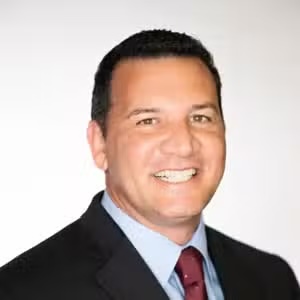
VP of Greentree Financial Group, Inc.
Robert C. (Chris) Cottone graduated from Florida Atlantic University with a Bachelor’s degree in Business Administration. Chris co-manages Greentree’s internal emerging growth fund and oversees the capital markets policies and procedures implemented by the firm including new project origination. Chris has experience working on new public listings, SPACs, bridge financing and PIPEs. In this role, Chris has been involved in several business combinations that have exceeded $1 billion in enterprise valuation.
Chris is also responsible for monitoring legislative activities effecting securities issues. With more than two decades of service to the business community, Chris has been instrumental in guiding the careers of many of the nation’s new entrepreneurs. Chris heads many of Greentree’s community awareness programs that contribute to the Global Vision maintained at the firm. He is a frequent contributor to various publications and periodicals and lectures to professional organizations.