




Structural Shifts in SPAC IPOs




In this SPAC Podcast Spotlight, Managing Director Dimitre Genov of Brookline Capital Markets outlines the structural changes reshaping SPAC IPOs since 2020. From the rise of non-managing anchor investors and the dominance of serial sponsors to the renewed use of warrants and hybrid PIPE structures, Dimitre explains how today’s IPOs look different from the last cycle.
He also highlights longer transaction timelines, greater investor alignment, and the shift toward sponsors with proven track records. Together, these developments suggest a more deliberate and sustainable approach to the SPAC IPO process.
Disclaimer:
The views, opinions, and statements expressed by the guest are solely their own and do not necessarily reflect the views of The SPAC Podcast, its hosts, or affiliated organizations. This content is for informational purposes only and should not be construed as investment, legal, or financial advice.
Connect with the Guest:
Dimitre Genov – Brookline Capital Markets:
https://brooklinecapmkts.com/
LinkedIn: https://www.linkedin.com/in/dimitre-genov-6136182/
View all of their episodes here:
https://www.thespacpodcast.com/guests/dimitre-j-genov/
Connect with the Hosts & The SPAC Podcast:
Michael Blankenship LinkedIn: https://www.linkedin.com/in/mikeblankenship/
Joshua Wilson LinkedIn: https://www.linkedin.com/in/joshuabrucewilson/
YouTube Channel: https://www.youtube.com/@Thespacpodcast
#SPACs #CapitalMarkets #SPACPodcast #SPACIPOs #InvestorEducation #DealMaking #BrooklineCapitalMarkets
Contact The SPAC Podcast:
https://www.thespacpodcast.com/contact/
Disclaimers:
The views, opinions, and statements expressed by the guest are solely their own and do not necessarily reflect the views of The SPAC Podcast, its hosts, or affiliated organizations. This content is for informational purposes only and should not be construed as investment, legal, tax, or accounting advice.
Michael J. Blankenship is a licensed attorney and is a partner at Winston & Strawn LLP. Joshua Wilson is a licensed Florida real estate broker and holds FINRA Series 79 and Series 63 licensure. The content of this podcast is intended for informational and educational purposes only and should not be interpreted as legal, financial, or compliance advice. The views and opinions expressed by the hosts and guests are their own and do not necessarily reflect the official policies or positions of any regulatory agency, law firm, employer, or organization.
Listeners are encouraged to consult their own legal counsel, compliance professionals, or financial advisors to ensure adherence to applicable laws and regulations, including those enforced by the SEC, FINRA, and other regulatory bodies. This podcast does not constitute a solicitation, offer, or recommendation of any financial products, securities transactions, or legal services.
Let’s Connect on LinkedIn:
👉 Michael J. Blankenship - https://www.linkedin.com/in/mikeblankenship/
👉 ...
Michael (00:00): Have you seen any sort of structural shifts in how SPAC IPOs are being launched today versus if we go back five years ago to 2020? What has changed in terms of deal terms, timelines, and sponsor alignment?
Dimitre Genov (06:04): Yes, a lot has changed, and for the better I would say. One of the most notable shifts is the rise of non-managing anchor investors, which we’ve seen in a lot of IPO structures. These are funds who put up some of the early risk capital — the GP-level money, if you will. They don’t manage the SPAC, but they do provide the capital to launch an IPO.
These investors are effectively betting on experienced sponsors who have done successful deals before, and it helps better align incentives and reduce friction later in the process. We’re also seeing a big difference in who is launching SPACs. Today, around 80% of new SPAC IPOs are led by serial sponsors — people with real track records who have closed multiple deals. The era of first-time sponsors raising blind pools is largely over.
In terms of deal terms, warrants have made a comeback over rights because they offer more upside optionality to investors. On the PIPE side, we’re seeing more hybrid structures — use of preferreds and converts as a bridge solution. Over time, many expect a return to straight equity as deals continue to perform better.
Timelines have also matured. Sponsors and targets now typically take 9 to 12 months to announce and execute a transaction. It’s a more deliberate, investor-aligned process, which many see as an indication of longer-term health for the SPAC market overall.
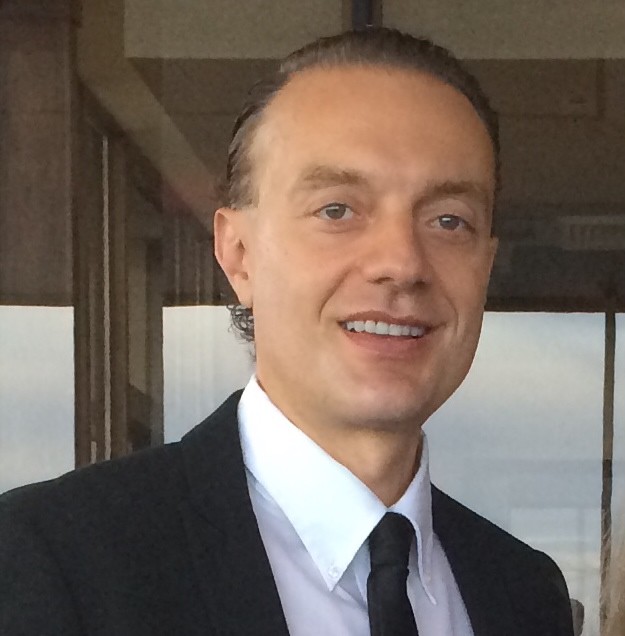
Dimitre Genov has three decades of experience in investment banking, special situations investing, finance and asset management. Dimitre Genov is currently a Managing Director at Brookline Capital Markets, advising clients on traditional public, private, and other alternative capital-raising and investment strategies including SPACs, PIPEs, private placements and public offerings. Before Brookline Capital Markets, Dimitre was a Portfolio Manager at Balyasny Asset Management, where he was part of the event-driven group, managing a SPACs’ portfolio with peak AUM of over $1bn. Prior to Balyasny, Dimitre worked at Magnetar Capital where he was a Sector Head for a SPACs’ portfolio with over $1B of peak AUM. Prior to Magnetar, Dimitre was a Partner and Director of Research at Noster Capital, where he focused on global value investing and special situations. Prior to Noster Capital, he was a Portfolio Manager at Julius Baer, where he co-managed the Global Equity and Global Balanced Asset Allocation funds with over $1B peak AUM. Prior to Julius Baer, he was a Portfolio Manager and Senior Analyst in JP Morgan’s Global Event-Driven Group. Dimitre Genov started his career at Lazard as an investment banker, advising companies on capital markets financings, mergers and acquisitions and restructurings.
Dimitre received a dual M.B.A. with Honors from Columbia Business School and London Business School, and a B.A. with Honors in Applied Mathematics and Economics from Harvard.