

 YouTube

 Apple Podcasts

 Spotify

 iHeartRadio

 Podcast Addict

 Podchaser

 Deezer

 PlayerFM

 Castbox

 Goodpods

 RSS Feed

 Amazon Music
Why Tactical Resources Stood Out in the Rare Earths Race

Plum's Kanishka Roy on why Tactical Resources stood out in the rare earths race: near-term execution, existing infrastructure, and 4 million tons of enriched tailings in West Texas.
What made Tactical Resources different from other critical mineral opportunities?
In this clip, Kanishka Roy explains why near-term execution, existing infrastructure, and 4 million tons of rare-earth-enriched tailings in West Texas made Tactical Resources uniquely positioned. With decades of operational history and a clear playbook similar to MP Materials, this opportunity offered scale, speed to monetization, and long-term runway without the need for multi-billion-dollar infrastructure builds.
Disclaimer: Michael J. Blankenship is a licensed attorney and partner at Winston Taylor. Joshua Wilson is a licensed Florida real estate broker and holds FINRA Series 79 and Series 63 licensure. The content of this podcast is for informational and educational purposes only and should not be considered legal, financial, or compliance advice. All views and opinions expressed by the hosts and guests are their own and do not necessarily reflect the policies or positions of any regulatory agency, law firm, organization, or employer. Listeners should consult their own legal counsel, compliance teams, or financial advisors to ensure adherence to applicable regulations, including SEC, FINRA, and other industry-specific requirements. This podcast does not constitute a solicitation or recommendation for any financial products or services.
Let's Connect on LinkedIn:
https://www.linkedin.com/in/mikeblankenship/ https://www.linkedin.com/in/joshuabrucewilson/
To Contact Us, Please Visit:
Michael Blankenship: when you were looking at tactical resources what stood out about it compared to those other opportunities in the critical mineral space?
Kanishka Roy: Yeah we talked a little bit about the opportunity and the strategic nature of er, its, and really the supply demand imbalance. But in addition, we were looking for near term solutions and a way to de-risk execution.
Against what we know is, pretty big upside. The fact that tactical resources mine is in West Texas and has been operational for a couple of decades already. With all of the existing infrastructure you need, railway line power, water permitted operations, that was really key. The fact that the mine had been generating tailings enriched in rare earths.
Around 4 million tons of which, it's just piled up on the surface ready to be processed. This was very attractive. This means that, we have a 10 year headstart and don't have to spend multiple billions in building out the infrastructure. It also meant that we can fast track the actual supply and monetization of these rare earths dramatically different compared to other players.
Second, in addition to the tailings that provide immediate feedstock for rare earths. It was also attractive that the existing mine is somewhat something like 0.1% mine so far. So it's just this massive monolith that represents 50 years of operations before we even put a dent into it. So long runway of successful operations.
And third, we really liked that there was a very good existing comp and playbook for investors. We think really highly of MP materials and because in many ways our story arc is quite similar to theirs. We're hoping to follow a similar path. They, like us, had an operational mind for multiple decades before pivoting to this current strategy.
They also had an existing tailings pile similar to ours that greatly accelerated their time to monetization and MP materials like tactical resources. Also doing. Use that acceleration to go public via D spac. And then it's probably become one of the most successful D SPACs we've seen across all sectors.
So we really like this playbook. We think investors like this playbook. So we feel like because we have some of the historical advantages, similar existing assets, similar accelerated execution, we potentially have the same path to becoming the second at scale producer of rare earth elements in the us.
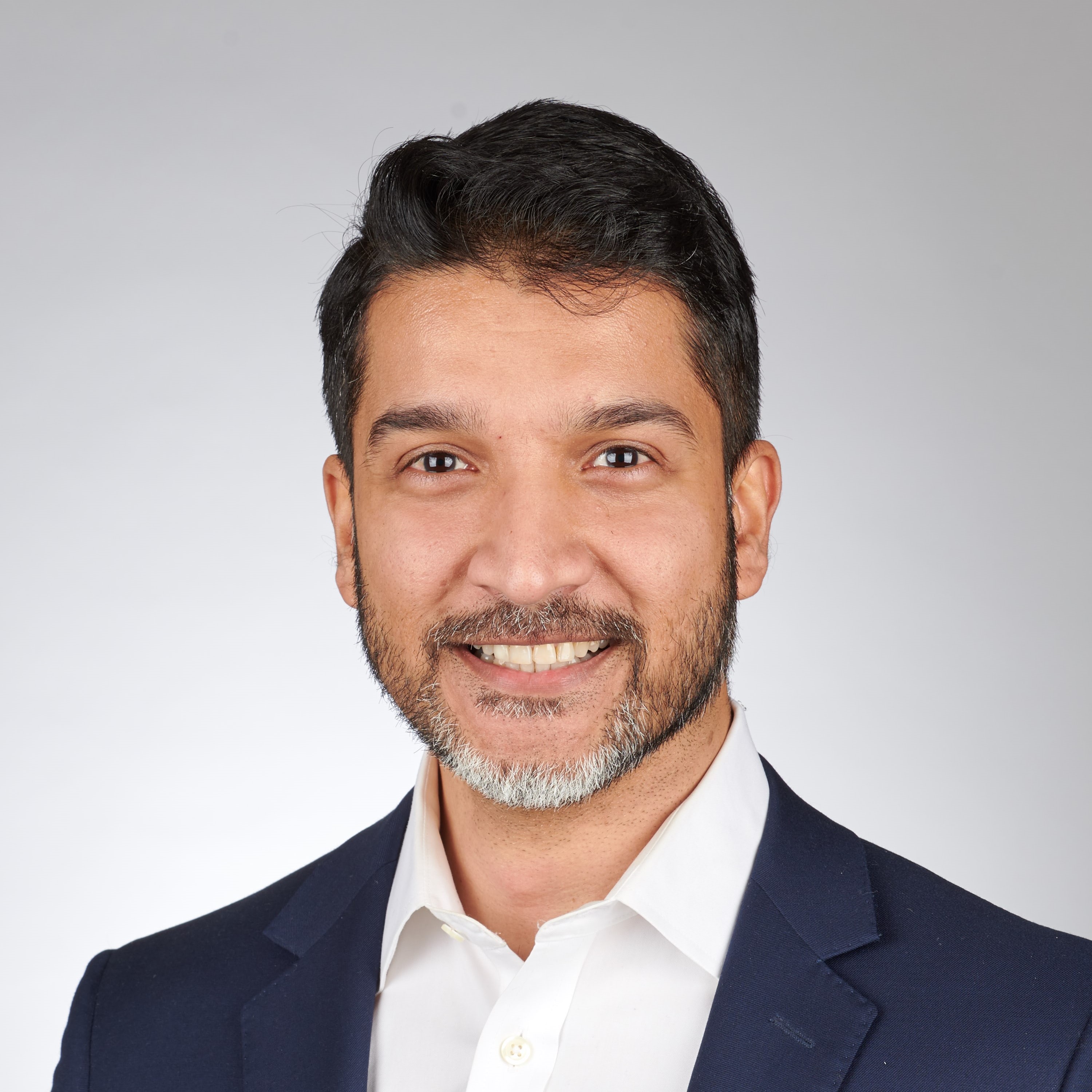
Chairman and CEO of Plum Acquisition Corp. III
Kanishka Roy is a technology and finance leader with more than 25 years of experience building, advising, and investing in high-growth companies. He’s the Co-Founder and Managing Partner of Plum Partners, a late-stage investment firm, and the Chairman and CEO of Plum Acquisition Corp. III, a SPAC listed on Nasdaq.
Before founding Plum, Kanishka served as Global Head of Tech M&A Origination at Morgan Stanley, where he helped lead more than $100 billion worth of industry-defining transactions in software and internet markets. He’s also been the Global CFO of SmartNews, the multi-billion-dollar AI news platform with over 20 million monthly users, where he guided global finance and expansion.
Kanishka began his career as a software engineer and later held strategy roles at IBM. He holds a degree in Electrical and Computer Engineering and an MBA from the Tuck School of Business at Dartmouth.