


Why Vertical Integration in West Texas Is a Strategic Advantage


Ranjeet Sundher explains how vertical integration in West Texas reduces operational risk and strengthens domestic production. From direct leach processing onsite to producing mixed hydroxides in Texas, this strategy aims to keep critical mineral value creation inside the United States.
Disclaimers:
The views, opinions, and statements expressed by the guest are solely their own and do not necessarily reflect the views of The SPAC Podcast, its hosts, or affiliated organizations. This content is for informational purposes only and should not be construed as investment, legal, tax, or accounting advice.
Michael J. Blankenship is a licensed attorney and is a partner at Winston & Strawn LLP. Joshua Wilson is a licensed Florida real estate broker and holds FINRA Series 79 and Series 63 licensure. The content of this podcast is intended for informational and educational purposes only and should not be interpreted as legal, financial, or compliance advice. The views and opinions expressed by the hosts and guests are their own and do not necessarily reflect the official policies or positions of any regulatory agency, law firm, employer, or organization.
Listeners are encouraged to consult their own legal counsel, compliance professionals, or financial advisors to ensure adherence to applicable laws and regulations, including those enforced by the SEC, FINRA, and other regulatory bodies. This podcast does not constitute a solicitation, offer, or recommendation of any financial products, securities transactions, or legal services.
Let’s Connect on LinkedIn:
👉 Michael J. Blankenship - https://www.linkedin.com/in/mikeblankenship/
👉 ...
Michael Blankenship: When you're kind of looking at vertical integration in West Texas, um, lots of development out there in West Texas, it looks like. And what parts of the process do you plan to keep on site?
Ranjeet Sundher: First of all, we love West Texas. I've worked on some very challenging jurisdictions internationally, and it's great to be in the US of a, our plan is mine to magnet.
That's, that's the ecosystem we're fitting into. We wanna do as much as we can in the US and as much as we can in Texas. Onsite. We're creating and procuring our materials, our tailings, what we're going to process. We intend to prep that feedstock onsite and direct leach that feedstock on site. It is also our intention to produce the mixed hydroxides within the state.
We want to keep as much of what we're doing within the USA and the state of Texas as possible.
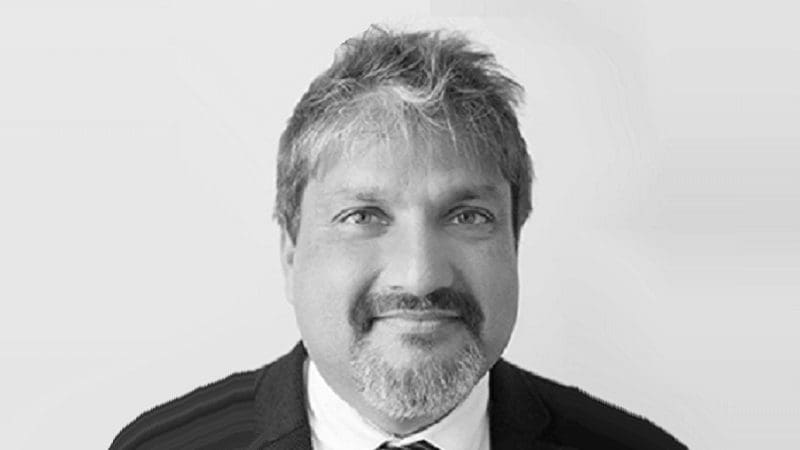
CEO of Tactical Resources
Ranjeet Sundher is Chief Executive Officer of Tactical Resources, a mineral exploration and development company focused on U.S.-made rare earth elements used in semiconductors, electric vehicles, advanced robotics, and national defense. He has guided the company through a series of strategic milestones aimed at accelerating production and strengthening supply chain sovereignty for the U.S. REE market.
With decades of experience in capital markets and building companies across resources, mining, and technology, Ranjeet Sundher is leading Tactical Resources at a pivotal moment for North American rare earths. Under his leadership, the company has advanced its flagship Peak Project in Texas, executed a business combination agreement to pursue a Nasdaq listing, and positioned itself as a key player in strengthening U.S. supply chain independence.