

 YouTube
 Apple Podcasts
 Spotify
 iHeartRadio
 Podcast Addict
 Podchaser
 Deezer
 PlayerFM
 Castbox
 Goodpods
 RSS Feed
 Amazon Music
 The Due Diligence Step Most First-Time SPAC Sponsors Get Wrong — James Tunkey
Fraud investigator James Tunkey on the director and officer background checks first-time SPAC sponsors underestimate, and what it costs when something surfaces after the S-1.
Key Takeaways
- First-time sponsors underestimate what a background check uncovers.
- Problems that surface after the S-1 is filed are costly.
- Identity verification is the critical first layer of a D&O check.
- FINRA and SEC sanction screening and litigation history follow.
- Cross-border checks face name localization, foreign databases, and privacy law gaps.
Most first-time SPAC sponsors underestimate what a background check actually uncovers — and what it costs them when something surfaces after the S-1 is filed.
James Tunkey is a background check and fraud investigation specialist with deep experience in international due diligence for SPAC IPOs and capital markets transactions. His firm handles approximately 25% of Nasdaq issuances and 40% of Hong Kong Stock Exchange listings annually. In this episode, James joins Michael Blankenship to break down what a rigorous director and officer vetting process looks like — from regulatory sanction screening and negative media searches to cross-border verification challenges and the role AI is beginning to play. Essential listening for sponsors, underwriters, and counsel navigating the SPAC IPO process.
🎯 What We Cover:
- Why identity verification is the critical first layer of any D&O background check
- FINRA and SEC sanction screening — what gets flagged and what it means
- How civil and criminal litigation history is sourced and evaluated
- Education and employment verification: when phone calls still matter
- International due diligence: name localization, foreign databases, and privacy law gaps
- Turnaround timelines — what to expect in the US vs. cross-border engagements
- Real examples: Ponzi schemes caught before listing, directors quietly replaced
- How AI is accelerating negative media screening without replacing human investigators
- Who typically engages the background check firm — issuer, underwriter, or counsel
- What the final report looks like and how risk ratings are assigned
🤝 Connect with James Tunkey: 🌐 https://www.ionasia.com.hk/team/james-tunkey/ 💼 https://www.linkedin.com/in/jamestunkey/
📩 Connect with Michael Blankenship: 💼 https://www.linkedin.com/in/mikeblankenship/ 🌐 https://www.thespacpodcast.com/
📩 Connect with Joshua Wilson: 💼 https://www.linkedin.com/in/joshuabrucewilson/ 🌐 https://www.thespacpodcast.com/
🎙️ Follow The SPAC Podcast: 🌐 https://www.thespacpodcast.com/ ▶️ https://www.youtube.com/@thespacpodcast
Disclaimer: Michael J. Blankenship is a licensed attorney and partner at Winston Taylor. Joshua Wilson is a licensed Florida real estate broker and holds FINRA Series 79 and Series 63 licensure. The content of this podcast is for informational and educational purposes only and should not be considered legal, financial, or compliance advice. All views and opinions expressed by the hosts and guests are their own and do not necessarily reflect the policies or positions of any regulatory agency, law firm, organization, or employer. Listeners should consult their own legal counsel, compliance teams, or financial advisors to ensure adherence to applicable regulations, including SEC, FINRA, and other industry-specific requirements. This podcast does not constitute a solicitation or recommendation for any financial products or services.
Let's Connect on LinkedIn:
https://www.linkedin.com/in/mikeblankenship/ https://www.linkedin.com/in/joshuabrucewilson/
To Contact Us, Please Visit:
https://www.TheSPACPodcast.com/contact/
Frequently Asked Questions
What does a D&O background check for a SPAC IPO involve?
James Tunkey says a rigorous director and officer background check for a SPAC IPO starts with identity verification, then covers FINRA and SEC sanction screening, civil and criminal litigation history, negative media, and education and employment verification.
What do first-time SPAC sponsors get wrong about due diligence?
Tunkey says most first-time SPAC sponsors underestimate what a background check uncovers, and what it costs them when something surfaces after the S-1 is filed.
Why is cross-border due diligence harder?
International due diligence brings challenges like name localization, foreign databases, and privacy law gaps, and cross-border engagements take longer than U.S. checks.
Who is James Tunkey?
James Tunkey is a background check and fraud investigation specialist whose firm handles approximately 25% of Nasdaq issuances and 40% of Hong Kong Stock Exchange listings annually.
00:00 - Welcome & Introducing James Tunkey
01:31 - How the Background Check Process Works
02:24 - Levels of Due Diligence: From Identity to Litigation
04:36 - International Due Diligence: Cross-Border Challenges
06:04 - Navigating Foreign Databases and Privacy Laws
06:23 - Real Stories: Catching Ponzi Schemes Before Listing
07:36 - When a Director Has Something to Hide
08:15 - What the Final Report Looks Like
08:55 - Turnaround Timelines: US vs. International
10:17 - Phone Calls, Verifications, and Human Judgment
10:42 - AI in Due Diligence: Helper or Risk?
12:08 - Closing Thoughts and Takeaways
Welcome & Introducing James Tunkey
SPEAKER_01
Mike Blankentrop here with the SPAC podcast. Today I'm joined by James Tunkey. James, why don't you tell us a little bit about yourself?
SPEAKER_00
Hey, Mike. Thanks for having me on. I'm a background check due diligence specialist. I also am a fraud investigator. And I focus much of my work on international uh due diligence around uh SPAC IPOs. And um it's a pleasure to meet you.
SPEAKER_01
Thanks, James. Let's dig right into it. So the SPAC market, very active. You know, there's over 225 SPAC seeking. Last quarter, Q1 of our 2026, we had 62 SPAC IPOs, which means you're quite busy. Um can you tell us a little bit about the due diligence process and the importance of that as you're looking for the uh, you know, all these sponsors that are going out again, that first quarter 62, but 41 of those were first time. So that means maybe people didn't know who they were, and so they needed background checks.
SPEAKER_00
Yeah. Uh you know, most of what I uh do is focused on the directors and officers uh and uh the main operating companies. And uh I'm out there to make sure that uh the people who are um on the um the S1s or the F1s are um who they say they are, and uh to give uh people uh uh a basic uh confirmation that um you know what's being put on the forms is is true and accurate.
SPEAKER_01
And
How the Background Check Process Works
SPEAKER_01
so when you're running that process, so can you give us a little bit of background on how that works? Like, you know, me as the attorney, would I engage you or what what is the best route that people go and and sort of timing on that as well?
SPEAKER_00
Yeah, uh so uh there's lots of different ways to uh get to the um the background check. Um sometimes uh the issuer uh comes to me directly on the recommendation of uh of an underwriter. Sometimes the underwriters come to me directly, sometimes I'm instructed by uh by counsel. And uh, you know, whatever the path, we just get going. And the easiest thing to sort of keep in mind is it's a necessary part of the process, but it can also be a bit of a pain in the ass. And so um, the less that you have to uh repeat it and the better um the job is done uh the first time at the right time, uh, you know, the less painful it can be.
Levels of Due Diligence: From Identity to Litigation
SPEAKER_01
Yeah, and I I read a lot of these diligence reports that you guys prepare uh as we're representing the issuers and putting those DNO uh bios into the into the uh S1. Are there different levels that you're going? Because I see you know there are certain things that maybe a red flag on a political thing or a red flag on some previous lawsuit. So like how far do you dig? And then if there's something that does pop up, do you dig further on that?
SPEAKER_00
Yeah, I mean, uh unfortunately, uh, you know, the US markets, um, they've got some great people uh and they've got some not so great people. So even the basics like uh James Tunkey is who he says he is, and verifying that um is important because not everybody that's showing up is necessarily um a great human uh who says who they are and is who they are. Um but you know, in terms of levels, I I think that the the critical sort of lowest level is verification of who somebody is, and then um do they have um any kind of mention on a regulatory sanction or watch list? Uh, you know, are they on the FBI's most wanted? Um and sometimes people show up on these lists and um and and so they they need to be checked. And then from a compliance perspective, uh, you know, have they been sanctioned by FINRA or the SEC in the past? Um, you know, these kinds of things are important. So that tends to be pretty standard. And then uh most of the the other main pillars are looking for negative media, um uh and and litigation, civil litigation, criminal litigation. Those are are sort of the main pillars, and then uh you get education, confirmation, um, and employment verification as well as a part of the typical standard. And and that is um maybe you don't need to do all of that for um you know some a 3% shareholder, but you definitely need to do all of that for the the CFO, uh the the chair of the board, uh, and and a few uh key other key people.
International Due Diligence: Cross-Border Challenges
SPEAKER_01
You mentioned doing international um diligence. How how does that work? I mean, because non-US, they're not gonna have necessarily social security number. Um, you know, I I how do you identify and go deeper on the international side? That seems a little bit higher risk from a diligence perspective.
SPEAKER_00
Well, you have to uh really work with a firm that has experience in doing that. And um, and so you know that's critical. When it comes to the basics, you know, it's it's making sure you collect the the name in the local language. Uh, if uh the person is from Russia, I mean that means getting the name in Cyrillic, not just uh in English. Uh if they're from China, getting them in Chinese characters. And uh getting the proper date of birth and other things uh filled into a standard form that we provide. Most other reputable uh international vendors will kind of adopt a similar template. Um internationally, I think the critical piece to understand is uh that um not every country has the databases uh that the US does. Um they're not all linked up the same. There's different privacy laws, um, there's different uh data archiving rules. And so, you know, you really need to the work of the firm that can get all the way to the local record, can get as many of the local records as possible and turn them around quickly.
Navigating Foreign Databases and Privacy Laws
SPEAKER_01
Well, let's dig in something maybe a little bit fun. I don't know if it's fun for you, but is there a story or something where you've actually caught the diligence and then it helped change sort of the dynamics? Is there anything interesting out there that um you know, no names needed, but um you'd love to tell the audience?
SPEAKER_00
Yeah,
Real Stories: Catching Ponzi Schemes Before Listing
SPEAKER_00
I think not everybody in the world is bad, right? And so when you're uh talking to an investigator like me who spends a lot of time uh looking at fraud and and and um you know the real nasty parts of the corporate world, um, I I think people would assume that everybody's bad, but they're not. And um, and so, you know, last year we caught uh a couple of um uh sort of Ponzi schemes that we're opposing as businesses that we're trying to get listed in the US. Uh and and so obviously there um, you know, we're helping protect people's reputations. Uh, everybody who's might be a gatekeeper in the process doesn't want to be associated with a bad deal like that. So um in those cases, we tend to help our clients walk away gracefully. Um when it comes to the more common, uh, you know, one in 20, uh, one in one in 30 type um instance, there might be a uh a problem with one of the directors. Maybe they've got something they didn't disclose in their background, uh, maybe they've got um, you know, some kind of criminal history or litigation. And um, you know, there's the first thing that we do is just help make sense
When a Director Has Something to Hide
SPEAKER_00
of it. You know, is this a traffic violation um that doesn't mean anything and and really isn't important, or is this something that's truly material? And is this person really suitable to be uh on the on the team uh when it goes uh IPO and beyond? And and so what I think is most common, uh Michael, is is just that you know, people will use our reports to refine um maybe one person who uh might uh be better suited elsewhere and and bring in somebody new. And those aren't deal breakers, those are um you know moves that reduce risk for the for the business.
What the Final Report Looks Like
SPEAKER_01
What what does your report typically look like when you you're issuing those reports?
SPEAKER_00
Yeah, we um we issue a uh a PDF. Uh we think that a PDF uh captures a moment in time very well. Um we will include any negative findings uh and we'll include a risk rating um based on our experience and some recommendations um on top of that.
SPEAKER_01
And then what sort of, you know, does it take a day, a week, two weeks? How long does it typically, you know, but let's split it between US and non-US? What are the kind of time frames
Turnaround Timelines: US vs. International
SPEAKER_01
that that a SPAC sponsor should anticipate?
SPEAKER_00
Yeah, I I think most people uh want to see something within a week these days. I think the expectation for turnaround is that uh, you know, 10 days is probably too long. Um where we are with our our, you know, we handled about 25% of the of the issuances um last year uh on NASDAQ. Uh we handle maybe uh 40% of the Hong Kong stock exchange uh listings, and you know, we're active around the world. Every exchange has different um expectations, but here in the US, most of the things that need to get done uh can get done in about five days. And um we're at a point where some of the systems that we've got, they're they're automated or semi-automated, where uh you know, we can turn around something within a day that just says the headlines are the is the person on a you know on a watch list or uh and um can you screen them out immediately? And um, you know, is there negative media out there? That's something that we can find very, very quickly. The stuff that takes time, Michael, is the the verifications, you know, reaching out to you know some foreign school or pulling a local record and um from a litigation standpoint, that's where the you know the time is really is really valuable and needed.
SPEAKER_01
You
Phone Calls, Verifications, and Human Judgment
SPEAKER_01
know, beyond the computer systems, you guys actually make phone calls to like schools and stuff as well.
SPEAKER_00
Yeah, uh phone calls, emails, uh all the rest. Uh and uh people are different standards. Uh not everybody uh needs um needs uh every uh piece of of education or employment verified through a telephone call. Uh and so it just depends on what people's appetite is for verification.
AI in Due Diligence: Helper or Risk?
SPEAKER_01
Yeah, and I guess finally, are you seeing sort of AI come in and and assist, uh, but also kind of be detrimental as well, just from people trying to hide background on that. Have you seen any of that yet?
SPEAKER_00
I think we're in a golden age where AI is helpful. Uh we were just able to use AI systems to uh pull a lot of data that's out there and to find patterns that uh you know might have been more difficult. I also think AI is helpful for really checking everything. So, you know, looking at um the possibilities for what um search combinations might be necessary to look for a negative media. I mean, every scenario that's out there from a fraud or corruption or operational risk perspective, you start building out the um the search strings and they can be very cumbersome. So to have a bit of AI to do the quality checking uh to be a backup for the human is very helpful. Um, what AI is not is not connected to uh many of the paid systems. Uh it doesn't have access behind firewalls, uh, it can't get into uh litigation records at the local level. Um and so you still need a human to uh to really run those searches. But um, you know, as they say, courses for courses, uh if you can use both, uh the client gets a um, you know, gets a better product.
Closing Thoughts and Takeaways
SPEAKER_01
Totally agree. Well, James, I appreciate your time today. The uh bottom line, diligence is important, getting the background check on the the uh sponsors and understanding as much as you can. It certainly helps from a legal perspective to get that out there as well. I know the underwriters certainly uh want it because it's their reputation to your point as well. So thank you again for uh coming in, uh James, and uh appreciate it. Thanks, Michael. This is Mike Blankenship with the SPAC podcast.
COO, I-OnAsia
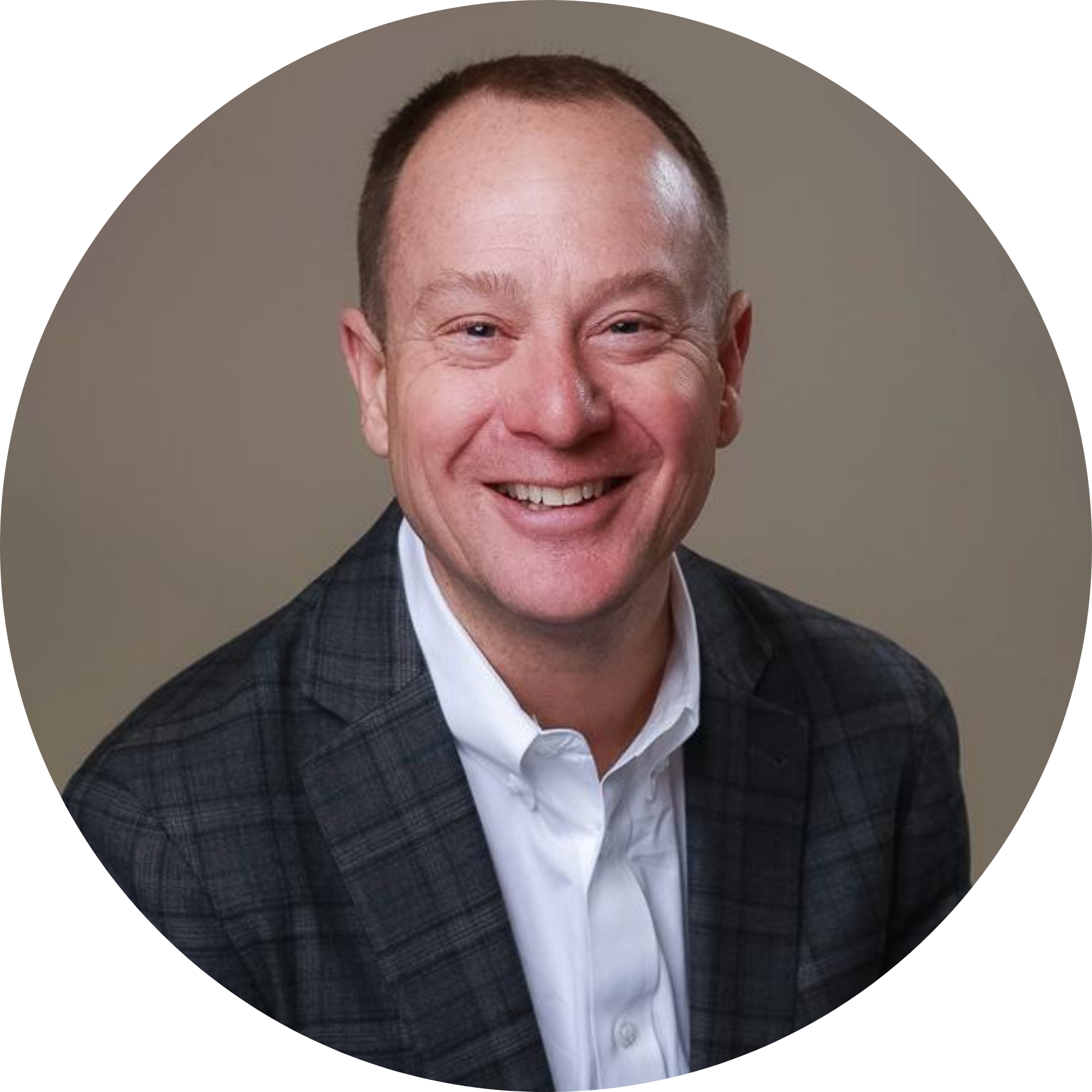
James Tunkey is Chief Operating Officer of I-OnAsia, a global investigations and security consulting company. I-OnAsia provides due diligence services, including background checks on company officers and directors before a De-SPAC. For larger global deals, the diligence is more in-depth, looking at a variety of operational and reputational/headline risks. Tunkey began working in this industry in 1995. He has performed thousands of background checks globally. Tunkey is a Certified Fraud Examiner who oversees a variety of other substantial investigations, including shareholder class action. Tunkey also provides consultancy on related risks to global investment and growth teams in emerging markets. He is a Qualified Risk Manager who brings a positive risk-taking mindset to the work. He has served as a court appointed receiver. Tunkey holds a TRIUM EMBA, jointly conferred by the London School of Economics, HEC Paris, and NYU Stern. He earned his BA from the University at Buffalo and holds certificates in Advanced Law Enforcement Interviewing Techniques (HKU), Corruption Control and Organizational Integrity (Harvard Kennedy School), and Public Safety Leadership (USC Price).