

 YouTube
 Apple Podcasts
 Spotify
 iHeartRadio
 Podcast Addict
 Podchaser
 Deezer
 PlayerFM
 Castbox
 Goodpods
 RSS Feed
 Amazon Music
 What Private Companies Get Wrong About Going Public via SPAC with Larry Swets
Serial SPAC sponsor Larry Swets asks every target one question first: do you really want to be public? He explains what founders get wrong, from inflated valuations to readiness.
"Do you really want to be public?" It's the first question Larry Swets asks any company eyeing a SPAC — and the one most founders answer wrong. After 30 years in capital markets and more than a dozen SPACs sponsored, he's watched companies chase billion-dollar valuations they knew weren't real, then spend five years growing into a fraction of that number.
In this episode, host Michael Blankenship sits down with Larry Swets, CFA — Chairman and Co-Founder of FG Nexus and one of the most experienced operators in the SPAC and alternative capital formation ecosystem. Larry traces the arc from the 2020–2021 boom through the SEC-driven reset to today's renewed activity, unpacking why too many sponsors underestimate how hard this work is. He explains how private companies should pressure-test their public-market readiness, position their story for investors with short attention spans, and set valuation expectations the market will actually support. A candid, practitioner-level conversation on capital formation, IPO alternatives, and building a healthier SPAC ecosystem.
What We Cover:
- 🔑 The first question every company must answer before a SPAC
- 📉 What the 2020–2021 boom and reset actually taught the market
- ⚖️ Why there are too many SPACs — and too many underprepared sponsors
- 💰 The real cost of chasing unsustainable valuations
- 🏗️ How boring, cash-flowing businesses became top-performing SPACs
- 🚀 Where SPACs beat traditional IPOs on speed and sector
- 📊 Positioning your story for investors with short attention spans
- 🤝 Building a healthier SPAC ecosystem for everyone
Connect with Larry Swets, CFA
Website: fgnexus.io
LinkedIn: linkedin.com/in/larry-g-swets-jr-cfa-7400a75
X: x.com/larryswets
About Winston Taylor
Winston Taylor is an international law firm with a capital markets practice that works with companies and sponsors across the SPAC and public-company lifecycle. Learn more at winstontaylor.com.
Follow Michael on LinkedIn: https://www.linkedin.com/in/mikeblankenship/
Follow The SPAC Podcast
Website thespacpodcast.com · LinkedIn linkedin.com/company/thespacpodcast · YouTube youtube.com/@thespacpodcast
Disclaimer: Michael J. Blankenship is a licensed attorney and partner at Winston Taylor. Joshua Wilson is a licensed Florida real estate broker and holds FINRA Series 79 and Series 63 licensure. The content of this podcast is for informational and educational purposes only and should not be considered legal, financial, or compliance advice. All views and opinions expressed by the hosts and guests are their own and do not necessarily reflect the policies or positions of any regulatory agency, law firm, organization, or employer. Listeners should consult their own legal counsel, compliance teams, or financial advisors to ensure adherence to applicable regulations, including SEC, FINRA, and other industry-specific requirements. This podcast does not constitute a solicitation or recommendation for any financial products or services.
Let's Connect on LinkedIn:
https://www.linkedin.com/in/mikeblankenship/ https://www.linkedin.com/in/joshuabrucewilson/
To Contact Us, Please Visit:
00:00 - Introduction: Larry Swets, 30 Years in the Business
00:50 - Today's Market vs. the 2020–2021 Boom
03:39 - Too Many SPACs, Too Many Underprepared Sponsors
04:31 - What's Driving Renewed SPAC Interest
06:44 - Why Bad Terms Keep the Good Sponsors Away
07:15 - The First Question: Do You Really Want to Be Public?
09:11 - Positioning Your Story for Investors
10:52 - Lessons on Valuation From the Last Cycle
13:55 - Where SPACs Beat IPOs on Speed and Sector
16:01 - Boring Businesses, Top-Performing SPACs
17:29 - Parting Words: Building a Healthier Ecosystem
Michael Blankenship:
Mike Blankenship with the SPAC Podcast. Today I'm joined by Larry Swets. Larry, um, why don't you give a little quick introduction about yourself and, um, tell us how you're doing today?
Larry Swets:
Yeah. Great to be here, Mike. Uh, so Larry Swets. Uh, I've been… Oh, it's been too long now, uh, 30 years in the business. Started off as an institutional investor at a insurance company doing, uh, the, uh, you know, the main account, uh, managing the, uh, assets of that. And in 2005, I learned about this weird thing called SPACs, and, uh, that sent me down a path 21 years ago. Uh, did my first one in 2007, and I think we're up to 12 or 13. I, I honestly have lost count. Seems, uh, it's pretty amazing to lose count on these things, but, uh, so yeah, I've been doing this for a while and, uh, excited to be here.
Michael Blankenship:
And, and so seeing, being, doing this for a while, all the way, you know, 20-plus years now, um, you've seen the booms and the, and the busts kinda. How would you describe the current market compared to what we saw in 2020 and 2021 boom, and then that reset that followed?
Larry Swets:
Yeah. E- and for, you know, someone that's been in the business for as long as I have, and when I started, I mean, you had to say SPAC. People said, "What?" "Special purpose acquisition company." "What? You're gonna do what? Is that even legal?" Uh, right? So, and I'm talking, like, market participants, right? Not, not like, you know, forget my wife thought I was, you know, out of my mind. Uh, but, you know, real participants, uh, you know, buyers, uh, of IPOs, like you had to e- explain it to them. There were maybe a handful who, who really understood the product, most of them convert arb guys. Um, so you, you start from that, uh, you know, level of understanding till, you know, about, uh, 2015, 2016, 2017, it starts to pick up and it's like, this is gonna become an institutional thing, right? Like, this has legs. Uh, this has survived all of, you know, the, the, the issues. To 20 w- '20 and '21, which was just crazy town, right? This is the time when there were real people that I would talk to in 2016, 2017, that said, "Larry, I'll never do a SPAC." Two people in spec- specifically, Joe Moglia, who was the chairman and CEO of TD Ameritrade, uh, he's like,"You should look at these SPACs. You should maybe do one." "I'll never do one, Larry." Rob Kaufman, one of the founders of Fortress Investments, he laughed at me when I first told him he should do a SPAC in 2016, right? Both of these people are calling me up in 2020 saying, "Hey, let's go do a SPAC," right? So you got a lot of very serious people who said they would never do it, were willing to jump on that, and you got that, that level of craze. Uh, and the flip side of that, which was, okay, you're, you're attracting these really high-quality sponsors. The flip side was every company decided they were worth a billion dollars. Uh, I don't care what they were doing, I don't care how terrible they were, it's like, we're a billion dollars. And, you know, you were being asked to join a process where you had five or 10 days to produce a, uh, basically a definitive document with a data room that was half filled, and it's like, you know, these SPAC off things. That's a level of craziness I hope we never see again. Uh, I think it was, uh, harmful. It was overall- Created awareness, um, and maybe some, you know, needed reform. But, uh, it's just so unhelpful. I think today what you're seeing is a, a level of, of, you know, too many SPACs and maybe sponsors that maybe, uh, you know, don't understand how hard this is to do. But these aren't the name brands. These aren't the Joe Moglia's or the Rob Kaufman's, right? Or the-- W- w-- It was a couple of, uh, what, uh, former senators or, or, uh, you know, politicians or, or, you know, uh, sports people or celebrities that were doing SPACs. We're not seeing any of that, right? We're seeing people who probably don't understand, and I think they're being, uh, you know, kind of pushed into this, uh, because they have a little bit of money and an investment banker will take their fees, right? So, uh, I think that's different. Uh, but I do th- I do think there's still too many. Uh, and, uh, I say that as someone who probably has a, a few out there that are still searching for deals. But we never seem to run into other, uh, companies as competition. Uh, but, you know, it does kind of, uh, take away the focus when, when people who don't know how hard this is show up and, and, uh, you know, are willing to get in the game
Michael Blankenship:
So, I mean, what, what do you think is driving that renewed interest? I know you mentioned investment bankers and, and others, but, like, we saw the market cool off in twenty-twenty two- Yep… basically through the SEC's proposed rules and the warrant chain, all that.
Larry Swets:
Yep.
Michael Blankenship:
Cooled off, but now it's back. So what, what's really renewed that interest? And there are quite a few out there, to your point.
Larry Swets:
Yeah, I mean, you know, uh, uh, the over-- So you take away the, uh, uncertainty around the SEC, right? Uh, you know, you know this as, as, as good or better than I do. You know, they're, they're processing things quickly. Uh, I still think fairly, but, you know, 'cause these things are mostly copy and paste, right? No offense to you and your teams, but, um, you know, th-these are pretty standard structures. There's not much to review, and they're not overthinking it, right? They're appropriately reviewing it and getting them out. So, you know, things can move quickly. Uh, I think, you know, there's, uh, there's, you know, when you put an incentive to, to sell, people will sell. And, uh, you know, the investment bankers have done a great job of saying, "Look at how, you know, you can have these amazing outcomes." And the asymmetry of outcomes, uh, I mean, li- it's better than gambling. It's better than going to Vegas, right? Uh, you know, the odds of, uh, being a SPAC sponsor. But I think they're still, you know, not advising their clients as to how hard this is and, uh, you know, how much work and effort goes into M&A and preparing a target, uh, to eventually be public. Um, you know, it's, uh, uh, every time I go to do another one, my wife is like, "Didn't you say you're done and never doing one of these again?" It's like, that's how hard, you know, these things tend to be. I'm still waiting for one to be easy. I don't know, maybe other sponsors have, have had easy ones. I've never had an easy one. Um, so, uh, I think, I think people come into it un- uh, you know, underestimating it. And the, you know, the returns, uh, uh, are, are, even though there's too many of them, the s- the, the, the terms haven't gotten so bad that keeps the speculative sponsor away. Now, the problem is when terms get so bad that, that it, it becomes challenging, it keeps the good sponsors away. And when you keep the good sponsors away, you risk the product, right? Because we need success. I want my fellow SPAC sponsors to have amazing deals, because amazing deals keeps the ecosystem ha-healthy, right? It helps eliminate the, uh, unnecessary, uh, you know, negative, uh, you know, i-instant reactions around SPACs. Uh, so I want all deals to be successful. Uh, I think the problem is the, the current majority of sponsors are not set up for success.
Michael Blankenship:
Yeah, and you mentioned underestimating, then you mentioned targets. I, I'm curious, so what, what questions, if, if I'm a private company, uh, looking at a SPAC, should be asking before, um, trying to enter into an agreement with one?
Larry Swets:
Yeah. I, I think you have to answer the question, do I really want to be public? It's the f- it's the question we ask first and, and, and most often and in many different ways, which is to really ascertain whether or not this company wants to be public. Uh, because the challenges, the costs, uh, you know, this… It's not a panacea of, oh, I get a listing, my stock goes up, I get to, you know, raise all this capital. Uh, it is challenging, it is difficult, it is time-consuming, it is expensive. Uh, and, uh, and often, uh, you're gonna find yourself, you know, kind of digging out of the hole of being, um, you know, kind of orphaned in the market. Because, uh, you know, the stock market seems to only want companies that are tens of billions or more, and y- I mean, even a billion-dollar company is a micro-cap these days, right? When I started my career, that micro-cap meant under 50 million. Uh, now it's, like, under a billion. And so, you know, you're going… You know, even if you're a kind of legitimate company that, you know, kind of deserves to be public in many ways, you're, you know, starting off at 800 or a billion dollars, you're, you're still fighting the trend of like, yeah, you're a micro-cap. And, and that's a lot of work. So, uh, I… Like, do you really want or need to be public, and why? And, and you have to believe that down to your core, otherwise you're not gonna get through all the, uh, the challenges and difficulties Uh, and, and, and you're gonna be frustrated instead of, like, realizing it's just the cost, uh, in order to, you know, to get to the finish line. Uh, and once they've been able to answer that, uh, uh, you know, then, you know, how are you gonna position yourself with investors? Uh, because, uh, investors have a very short attention span. There's thousands of securities that they can invest in. And how are you gonna tell your story that makes them pause for a minute and consider allocating capital to you and your company, uh, for success? And so having… You know, one of my partners, uh, Kyle Cerminara, was a buy-side investor at T. Rowe Price, then he worked for Steve Cohen. Uh, you know, he understands the buy side as well as anyone I've ever worked with. And having his understanding, being able to put the company through that lens, it's, it's really the second thing we do. You know, I'm on the front end. Do you really wanna be public? And I, I, I do the anti-sell in some ways. It's really hard, right? You sure you wanna do this?'Cause we only want companies that have kind of crossed that threshold, right? Where we help them go over that threshold of like, "We're-- Yes, we're doing this. We're going public." Because we are a viable alternative. It's really hard to IPO, right? You've all heard about this so-called IPO window. I've been up and down Wall Street looking at every window for the one labeled IPO to see if it's open or closed, and no one can tell me how this thing works. I mean, I really… It's really confusing. I mean, 30 years, I still can't figure this out. But there's some magic window that opens and closes. SPAC's always open. Always. There's always a SPAC. For the last 20 years, there's always been a SPAC. You can go public. You can get listed. So if you really wanna do that, let's go. And then Kyle says, "Yeah, but this is how you're gonna be thought of." You know, is that, is that how you wanna tell your story? Is that how your business wants to be constructed? Is that the kind of companies you're gonna go and acquire and build? And that's a really helpful, you know, second lens after I've kind of made sure they really truly wanna be public, so.
Michael Blankenship:
Yeah, I mean, those are fair questions. And then if you're talking to investors and founders, what lessons should they take from the last kind of SPAC cycle that we saw?
Larry Swets:
Uh, I think companies that were willing to hear that they could be valued at, uh, unsustainable valuations, uh, is actually more harmful and does, doesn't do you any good, right? So, you know, if-- A- and, and we've talked to, uh, companies now five years later who said, "Yeah, I was offered a billion dollars of a SPAC, but I knew that wasn't a real number. I knew I was only worth 300 million." And they had the understanding that that would not have been helpful to do, and here we are five years later, and they might be valuing themselves at 5 or 600 million. And you're like, "Yeah, you really grew into that valuation." Still less than that crazy number. Um, y- you know, a reason-- The market is going to determine your value Now, the market determines it at, you know, at point in time, and, and it's always changing and, you know, uh, they call it the, you know, the voting machine, right? Every day someone, uh, are determining your value. That doesn't mean that's the real value, but that's, you know, the recognizable value. And, uh, and there's nothing you can do about that. Uh, I mean, you can put out press releases all you want, but executing over time is going to determine, you know, the ultimate, uh, intrinsic value of your company. Uh, and so, you know, the, the, the aspirational valuations that were being applied back then did more harm than, than good, uh, 'cause no one was able to cash out at those. No one was able to put, you know, that money into a bank, uh, or raise a, you know, a ton of money, uh, sustainably off of that. So in today's market, have reasonable expectations of valuation, right? Uh, and if the market doesn't align with what you think it is, then, then don't do it. But don't try to push it, right? Because the, you know, the SPAC process allows you to create this mirage of a, of a, uh, you know, a negotiated value, right? And it-- But that's just two parties. Then, you know, the market is made up of millions of, of participants. Who's gonna set a new value for you? So, uh, you know, the PIPE process allows you to get some market clearing understanding. Uh, you know, but we always say that's gonna be one of the most expensive forms of capital that you're gonna get. But that's one way of kind of determining some value. But yeah, be, be, be thoughtful around valuation. And that's not a sponsor trying to buy you cheap. That's, that-- You know, our process is to be consultative. Uh, so we're not gonna tell you, you know, that you, that you're a certain price so that we could buy you cheap and make money. It's to help you try to understand how the market's going to value you. Because to be successful, you come in with an equal understanding with the market, and then you grow from there through execution and results.
Michael Blankenship:
Yeah, and, and speaking about results and what kind of looking ahead, um, where do you see the biggest opportunities for SPACs and capital formation broadly? Like sector, company stage, market need?
Larry Swets:
You know, I think SPACs are, uh, useful in being, uh, ahead of the trend because you can move quickly, right? If there's some trend that's emerging with investors, uh, like, "Oh, we want more exposure to, you know, this, uh, this new segment, this new sector, this new opportunity," um, they can generally move faster than, you know, traditional IPOs, right? Who have to get organized around, "Okay, here's a new idea. How do we think about comps? You know, how do we get through, you know, the S-1?" Where a SPAC can be like, "You wanna do a deal? Let's do a deal," and then we figure all that o- other stuff out after, right? So, you know, when I think about, you know, the DAT craze, the digital asset treasury craze, right? You know, SPAC were able to move really quick on that. And then, and then the reverse mergers happened, you know, with the Nasdaq shells rather than just straight-up IPOs, right? Um, so I think, I think there's a, uh, a, a first-mover advantage opportunity with SPACs. Um, now that can also lead to more volatility, right? Because you're coming into something uncertain that ha- doesn't have a lot of public companies. Um, and so, you know, you gotta weigh that against, I think, what happened in '20 and '21, which is, you know, ideas that shouldn't have been funded. Uh, you know, my, my joke in 2020 was, if I gotta see another flying taxi that's gonna drop you off on the Moon or Mars, you know, in a business plan, like, you know, I gotta… I'm done with this business. Um, you know, but when I think about, you know, space or quantum or, uh, you know, uh, certain things within AI, you know, SPACs can, I think, move faster than IPOs, and it's a competitive advantage. So, uh, I think it'll still be on that. I also think traditional cash-flowing companies in the several hundreds of millions, low billions, are completely ignored by traditional, uh, Wall Street, you know, uh, banking structures. Uh, and if they don't wanna keep going down a PE route of being bought and levered and sold and bought and levered and sold, uh, you know, SPACs, uh, are a real alternative. And, uh, you know, one of my projects from 2016, uh, ticker LMB, you know, s- I don't know where it's at today, $80, $90. It got up to 100 and something. It's one of the best-performing SPACs of all time. It's an HVAC contractor. It, it, it does the air conditioning for Disney, uh, and for hospitals and stadiums and LAX and maybe LaGuardia. I don't remember if they did LaGuardia. But, um, I mean, that's about as boring, I mean, I think it's interesting, but you know, as kind of a, uh, the opposite end of the spectrum of space and quantum. Uh, and yet it's been… In fact, two, I think two of the top three SPACs of all time were construction companies, right? So that als- it sh- and, you know, I don't think they could have gone public Any other way, right? So
Michael Blankenship:
Yeah, I mean, those are certainly potential high growth and they're not theoretical, so it- Yeah it really helps the market there. I mean, SPACs are a great vehicle for those that have that, so. Um, well, I appreciate it, Larry. Uh, is there any f- kind of parting words you wanna give to the kinda smack- SPAC community here?
Larry Swets:
You know, I, uh, uh, when I think about, uh, the overall SPAC community, I think about, uh, the need to, uh, be thoughtful and respect the ecosystem, uh, which is, you know, the healthier we can make the SPAC market, I think we're all, we all have a level, we each have a level of responsibility in that, right? Sponsors, IPO investors, potential targets, law firms, accounting firms, uh, you know, everyone is a participant in this ecosystem. And, you know, the healthier we can make it, uh, you know, the, the, the, I think the better it is for everybody, right? You know, this isn't, uh, I've, I've never viewed this as a competition, me against the sponsors or me against traditional IPOs, right? Um, it, it's about trying to build it up. And, uh, you know, listen, we're all gonna, you know, make mistakes or have, you know, you know, I had one that didn't turn out so good, right? We all have, you know, uh, you know, we're, we're in it for the long run and for, um, you know, uh, doing as many, uh, quality, uh, companies as we can, but we're, you know, we're all gonna make mistakes along the way. But, you know, with transparency and, uh, and, and, and, uh, you know, doing, doing things that help n- not only our individual deals but the ecosystem, I think, is, uh, one of, one of the things that I wanna leave here. Uh, which is, you know, think, think about, uh, uh, you know, what, what success means for the product, for, uh, and I, and I think for the health of the capital markets. I mean, without SPACs, the number of, the number of IPOs, the number of public companies is shrinking, and would have been shrinking at double digits if it wasn't for SPACs. So I think not only are we this little side thing that exists, we're in, I now think, an integral part of the capital markets of the United States, which is the premier capital markets in the world. And, uh, you know, we gotta, we gotta shed that history of being this kinda, you know, the ugly stepchild of the capital markets and think like, you know, we've gotta step into what we are. Uh, and, uh, and to do that, you know, we gotta be really thoughtful. Which I think is what the IPO process has done, which is like, hey, we're only gonna take companies public that really deserve, you know, that so-called window thing. And, uh, you know, so maybe we gotta be a little more discerning. Um, maybe we, we, maybe we gotta do three or four less SPACs with sponsors that might not have success. Uh, maybe that's a few f- less fees at the beginning, but for an overall healthier, uh, ecosystem. So that's my goal in the next, uh, handful of years is, uh, help improve the ecosystem.
Michael Blankenship:
I, I love that, and I appreciate you coming on here, Larry, and, and all of that is, uh, very important to the SPAC product and the community and, and letting people know. And so I, I appreciate your, uh, words of advice today, so.
Larry Swets:
Yeah.
Michael Blankenship:
So Mike-
Larry Swets:
Great to be here. Uh-
Michael Blankenship:
Yeah. Thank you, Larry.
Larry Swets:
Yeah.
Michael Blankenship:
Mi- Mike Blankenship with the SPAC Podcast.
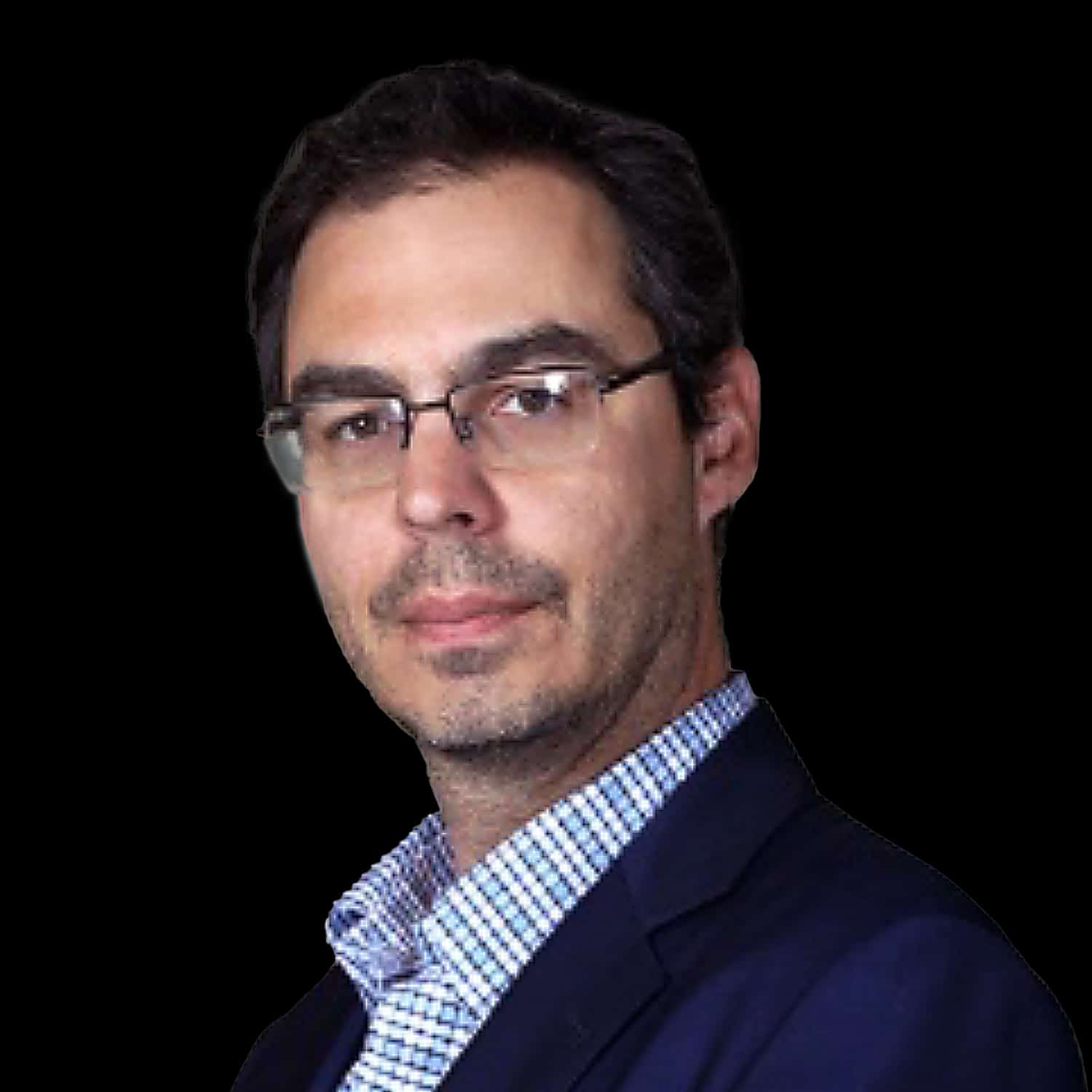
Head of Capital Markets and Reinsurance
Larry Swets, CFA
Chairman & Co-Founder, FG Nexus
Larry Swets, CFA, is a leading capital markets executive, investor, and entrepreneur with more than two decades of experience building companies, sponsoring SPACs, and helping growth businesses access the public markets. As Chairman and Co-Founder of FG Nexus, he advises companies and investors on capital formation, market strategy, and long-term value creation.
Throughout his career, Larry has founded, led, and advised numerous public and private companies. He founded Itasca Financial, an advisory and investment firm, and later sold the business to Kingsway Financial Services, where he served as Chief Executive Officer. He has also held executive and board positions at multiple publicly traded companies and investment platforms, building a reputation as a disciplined operator and long-term value creator.
Larry is widely recognized as one of the most experienced operators in the SPAC and alternative capital formation ecosystem. Over more than a decade in the sector, he has sponsored, led, and advised multiple successful special purpose acquisition companies and business combinations, helping growth companies access the public markets while creating value for investors. His transaction experience spans fintech, insurance, industrials, technology, and other high-growth industries.
A frequent commentator on IPOs, SPACs, capital markets, and entrepreneurship, Larry is known for his practical insights into how companies raise capital, scale operations, and navigate public market opportunities. He holds the… Read More