

 YouTube

 Apple Podcasts

 Spotify

 iHeartRadio

 Podcast Addict

 Podchaser

 Deezer

 PlayerFM

 Castbox

 Goodpods

 RSS Feed

 Amazon Music
How Has the SPAC Investor Base Changed

Brookline's Dimitre Genov on how the SPAC investor base has evolved, from arbitrage funds to yield-oriented buyers, crypto-native PIPE investors, and warrant sentiment.
Key Takeaways
- Dimitre Genov says SPAC IPO buyers are still mostly event-driven and arbitrage funds, plus fixed-income investors who value the downside protection of cash in trust.
- Some investors treat SPACs like a bond or income product, while others seek equity optionality through warrants and rights.
- Genov says the bigger change is on the de-SPAC side, where PIPE activity picked up in 2025, especially from crypto-native funds in digital asset deals.
- He sees PIPE markets gradually reopening across sectors, with more capital staying in trust.
In this SPAC Podcast Spotlight, Managing Director Dimitre Genov of Brookline Capital Markets explains how the SPAC investor base has evolved over the last five years. While event-driven and arbitrage-focused funds remain core participants, other groups now approach SPACs as yield-oriented products or equity opportunities through warrants and rights.
Dimitre also highlights recent shifts in PIPE activity, including growing participation from crypto-native funds, and discusses how sentiment indicators like the SPAC Research Warrant Index reflect renewed investor interest. His perspective provides a clear view of who is still showing up for SPACs in 2025 and what that means for deal flow.
Disclaimer:
The views, opinions, and statements expressed by the guest are solely their own and do not necessarily reflect the views of The SPAC Podcast, its hosts, or affiliated organizations. This content is for informational purposes only and should not be construed as investment, legal, or financial advice.
Connect with the Guest:
Dimitre Genov – Brookline Capital Markets:
https://brooklinecapmkts.com/
LinkedIn: https://www.linkedin.com/in/dimitre-genov-6136182/
View all of their episodes here:
https://www.thespacpodcast.com/guests/dimitre-j-genov/
Connect with the Hosts & The SPAC Podcast:
Michael Blankenship LinkedIn: https://www.linkedin.com/in/mikeblankenship/
Joshua Wilson LinkedIn: https://www.linkedin.com/in/joshuabrucewilson/
YouTube Channel: https://www.youtube.com/@Thespacpodcast
#SPACs #CapitalMarkets #SPACPodcast #SPACInvestors #InvestorBase #PIPEActivity #BrooklineCapitalMarkets
Contact The SPAC Podcast:
https://www.thespacpodcast.com/contact/
Disclaimer: Michael J. Blankenship is a licensed attorney and partner at Winston Taylor. Joshua Wilson is a licensed Florida real estate broker and holds FINRA Series 79 and Series 63 licensure. The content of this podcast is for informational and educational purposes only and should not be considered legal, financial, or compliance advice. All views and opinions expressed by the hosts and guests are their own and do not necessarily reflect the policies or positions of any regulatory agency, law firm, organization, or employer. Listeners should consult their own legal counsel, compliance teams, or financial advisors to ensure adherence to applicable regulations, including SEC, FINRA, and other industry-specific requirements. This podcast does not constitute a solicitation or recommendation for any financial products or services.
Let's Connect on LinkedIn:
https://www.linkedin.com/in/mikeblankenship/ https://www.linkedin.com/in/joshuabrucewilson/
To Contact Us, Please Visit:
https://www.TheSPACPodcast.com/contact/
Frequently Asked Questions
Who invests in SPACs today?
According to Dimitre Genov of Brookline Capital Markets, SPAC IPO buyers are mostly event-driven and arbitrage funds, plus fixed-income investors who value the cash in trust. Others invest for the equity optionality of warrants and rights.
How has the SPAC investor base changed?
Genov says the biggest change is at the de-SPAC stage, where PIPE activity picked up in 2025, led by crypto-native funds in digital asset deals and broadening to other sectors.
Why do some investors treat SPACs like bonds?
Genov explains that because SPAC IPO money sits in trust, some investors treat SPACs as a yield or income product with downside protection.
Michael (00:00): Let’s turn to the investor side. Who’s still showing up for SPACs today? Has the investor base changed meaningfully over the past five years?
Dimitre Genov (08:09): Yes, the SPAC investor base has definitely evolved. Some key groups have stayed consistent and remain active — the IPO buyers are still mostly event-driven and arbitrage-focused funds, plus some fixed income-oriented investors who like the downside protection of the cash in trust.
Some investors focus more on yield, treating SPACs like a bond or income product, while others participate for the equity optionality through warrants, rights, or equity positions. What has changed more is on the de-SPAC side.
In 2025, we’ve seen a meaningful uptick in PIPE activity versus prior years, especially in digital assets and crypto-related SPACs where crypto-native funds have stepped in. That momentum is broadening out, with PIPE markets gradually reopening across sectors and more capital staying in trust — another encouraging sign.
A great barometer of sentiment in the SPAC market is the SPAC Research Warrant Index, which is up nearly seven times in the past year — its best run in three years. Since the index tracks the implied value of pre-deal warrants, it provides a useful read on how excited investors are before a deal is announced. What the market seems to be signaling is that optimism is building and capital is being deployed in anticipation of high-quality deal flow.
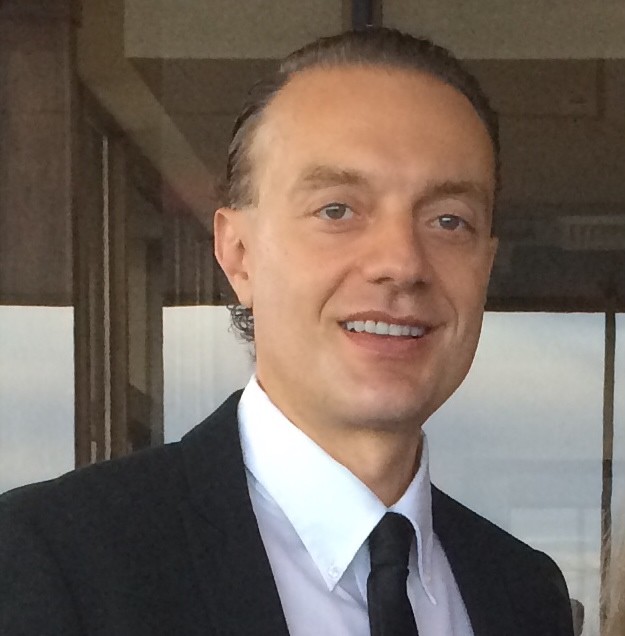
Dimitre Genov has three decades of experience in investment banking, special situations investing, finance and asset management. Dimitre Genov is currently a Managing Director at Brookline Capital Markets, advising clients on traditional public, private, and other alternative capital-raising and investment strategies including SPACs, PIPEs, private placements and public offerings. Before Brookline Capital Markets, Dimitre was a Portfolio Manager at Balyasny Asset Management, where he was part of the event-driven group, managing a SPACs’ portfolio with peak AUM of over $1bn. Prior to Balyasny, Dimitre worked at Magnetar Capital where he was a Sector Head for a SPACs’ portfolio with over $1B of peak AUM. Prior to Magnetar, Dimitre was a Partner and Director of Research at Noster Capital, where he focused on global value investing and special situations. Prior to Noster Capital, he was a Portfolio Manager at Julius Baer, where he co-managed the Global Equity and Global Balanced Asset Allocation funds with over $1B peak AUM. Prior to Julius Baer, he was a Portfolio Manager and Senior Analyst in JP Morgan’s Global Event-Driven Group. Dimitre Genov started his career at Lazard as an investment banker, advising companies on capital markets financings, mergers and acquisitions and restructurings.
Dimitre received a dual M.B.A. with Honors from Columbia Business School and London Business School, and a B.A. with Honors in Applied Mathematics and Economics from Harvard.