

 YouTube

 Apple Podcasts

 Spotify

 iHeartRadio

 Podcast Addict

 Podchaser

 Deezer

 PlayerFM

 Castbox

 Goodpods

 RSS Feed

 Amazon Music
Is The Private Company Ready for a SPAC Merger?

Brookline's Patrick Sturgeon advises private company CEOs to vet the sponsor team and be honest about readiness, from audited financials to ongoing disclosure costs.
Key Takeaways
- Patrick Sturgeon advises private company CEOs to diligence the SPAC sponsor team and what it brings beyond the listing and capital.
- He says CEOs must be honest about whether the company is ready to be public.
- Being public requires audited financials, a complete data room and disclosing material changes as they happen.
- Once a company announces a merger with a public entity, it takes on the disclosure burden of a public company.
In this episode of The SPAC Podcast, Patrick Sturgeon, Managing Partner at Brookline Capital Markets, shares his advice for private company CEOs considering a SPAC merger. He stresses the importance of conducting due diligence on the sponsor team, while also being honest about whether the company is truly prepared to operate as a public entity.
Patrick outlines the additional requirements that come with going public — from audited financials and organized data rooms to ongoing disclosure obligations and higher costs. His perspective highlights why readiness and preparation are essential before committing to the SPAC process.
Connect with the Guest:
Patrick Sturgeon – Managing Partner, Brookline Capital Markets
Website: https://brooklinecapmkts.com/
LinkedIn: https://www.linkedin.com/in/patrickasturgeon/
View all of their episodes here:
https://www.thespacpodcast.com/guests/patrick-a-sturgeon/
Connect with the Hosts & The SPAC Podcast:
Michael Blankenship LinkedIn: https://www.linkedin.com/in/mikeblankenship/
Joshua Wilson LinkedIn: https://www.linkedin.com/in/joshuabrucewilson/
YouTube Channel: https://www.youtube.com/@Thespacpodcast
#SPACs #CapitalMarkets #SPACPodcast #SPACMerger #PrivateCompanies #CEOAdvice #BrooklineCapitalMarkets
Contact The SPAC Podcast:
https://www.thespacpodcast.com/contact/
Disclaimer: Michael J. Blankenship is a licensed attorney and partner at Winston Taylor. Joshua Wilson is a licensed Florida real estate broker and holds FINRA Series 79 and Series 63 licensure. The content of this podcast is for informational and educational purposes only and should not be considered legal, financial, or compliance advice. All views and opinions expressed by the hosts and guests are their own and do not necessarily reflect the policies or positions of any regulatory agency, law firm, organization, or employer. Listeners should consult their own legal counsel, compliance teams, or financial advisors to ensure adherence to applicable regulations, including SEC, FINRA, and other industry-specific requirements. This podcast does not constitute a solicitation or recommendation for any financial products or services.
Let's Connect on LinkedIn:
https://www.linkedin.com/in/mikeblankenship/ https://www.linkedin.com/in/joshuabrucewilson/
To Contact Us, Please Visit:
https://www.TheSPACPodcast.com/contact/
Frequently Asked Questions
How do you know if a company is ready for a SPAC merger?
Patrick Sturgeon of Brookline Capital Markets says a company needs audited financials, a fully populated data room and the ability to disclose material changes as they happen, and leadership must be honest about whether it is ready.
What should a CEO check before merging with a SPAC?
Sturgeon recommends diligencing the SPAC and its sponsor team, including what they bring beyond the listing and the capital.
When does a private company take on public disclosure duties in a SPAC deal?
According to Sturgeon, once a company announces it will merge with a public SPAC, it takes on the disclosure burden of a public company.
Michael: So for a private company CEO listening to this, what’s one piece of advice you’d give them when evaluating the SPAC opportunity?
Patrick Sturgeon: I think it ties back to our last question, in terms of really doing your diligence on the SPAC and the sponsor team and what they can bring in addition to the listing and the capital. And also to be very honest with yourself about whether you are ready to be a public company.
Many groups don’t fully understand the time, capital, and effort it takes to be public — audited financials, a fully populated data room, and the need to disclose material changes as they happen. Once a company announces it will merge with a public entity, it has the burden of disclosure as a public company.
That means additional costs, time, and requirements. We’ve seen situations where boards and management teams had to adjust significantly to meet those standards. It’s critical for private companies to recognize and prepare for this shift before entering into a SPAC merger.
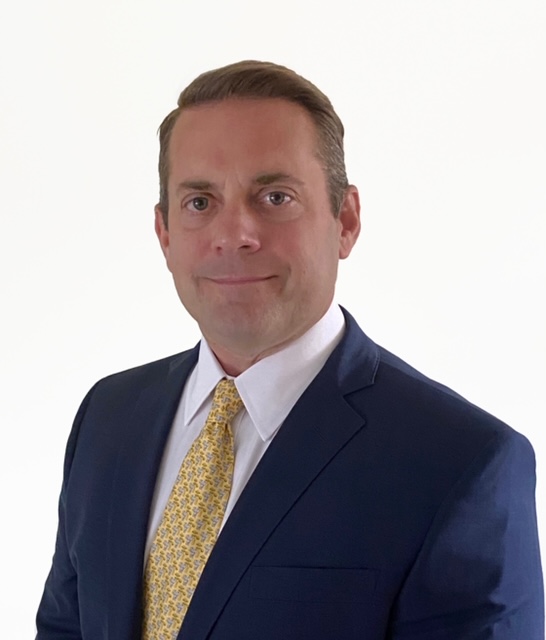
Managing Partner
Patrick Sturgeon is a Managing Partner at Brookline Capital Markets, a division of Arcadia Securities, LLC, a Healthcare focused investment bank which provides capital raising, M&A, and strategic advisory services. He has completed a diverse series of transactions to include Initial Public Offerings, PIPEs, Follow-Ons, Private Placements from Series A through Private-to-Public Crossovers, Asset Back Lending, Buy & Sell-Side Merger Advisory, Secondary Trading and Strategic Advisory Services. He is asked to speak at events on topics to include the equity capital markets, the healthcare industry and transaction execution.
He has been the Chief Financial Officer of three biotech focused SPACs that have successfully closed acquisitions – Alpha Healthcare Acquisition Corp. (Humacyte (NASDAQ: HUMA) – first company to have RMAT designation), Alpha Healthcare Acquisition Corp. III (Carmell Corp. – Platelet-rich plasma (PRP) therapeutic focused on wound healing) and Brookline Capital Acquisition Corp I (Apexigen – Oncology focused). He continues to serve as Vice Chairman to the public company Longevity Health Holdings (NASDAQ: XAGE).
As a Founding Partner of Covenant Venture Capital, Mr. Sturgeon has led investments in prominent companies like Anduril, Anthropic, EpiBone, Dataminr, SpaceX and others, demonstrating his strategic investment acumen across high growth sectors such as artificial intelligence, biotech, data analytics and defense. He led the process to have Covenant confirmed as a Qualified Venture Fund for NJEDA which allows them to receive matching inve… Read More